


Words: David Lyons
Photography: Mike Guest & Robyn Steady
Lisistarion & Design: Slow Press
Funded by: Slow Ways Walking Network
“I’m not a big surfer. My family surf, and I’d always be the one sitting on the beach waiting for them to come out, because I really feel the cold.” Alison Young’s attitude to surfing isn’t perhaps what you’d expect of someone who runs a surf charity.
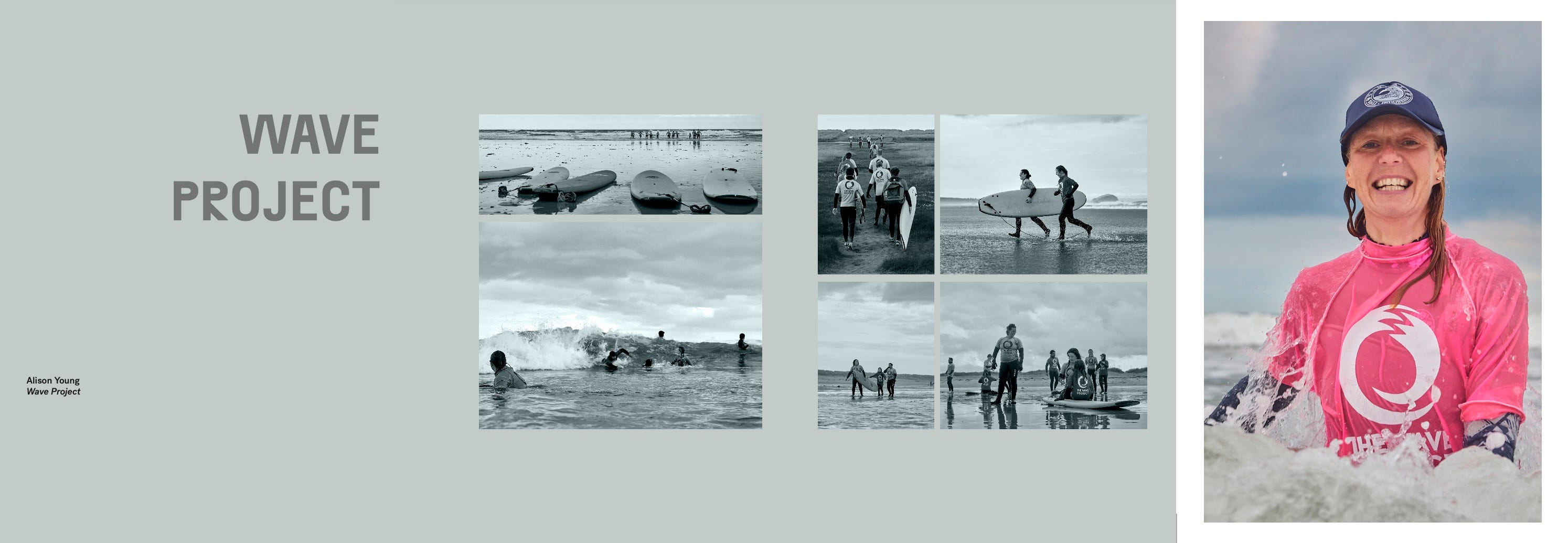
Started in 2010 in Cornwall and now a national charity, the Wave Project delivers surf therapy for young people aged 8 to 21. Participants take part in weekly surf therapy sessions for six weeks and are paired with a volunteer surf mentor who provides one-to-one support throughout the course. After attending a surf therapy course, young people can join the Wave Project’s weekly surf club sessions.
Wave Project Scotland, which Alison runs, is based in the community surf centre at Belhaven Bay. 150 young people are in its surf club and it supports another 100 young people through surf therapy each year. Alison is keen to emphasise that the Wave Project is about much more than surfing: “Surfing is the vehicle we choose to help the kids overcome challenges and improve their mental health. We’re teaching these kids coping mechanisms for life. They’re learning that if you have a bad day, you don’t even need to go into the sea, you can just come out to the beach, listen to the waves, feel the wind on your face and it makes everything that little bit easier.”
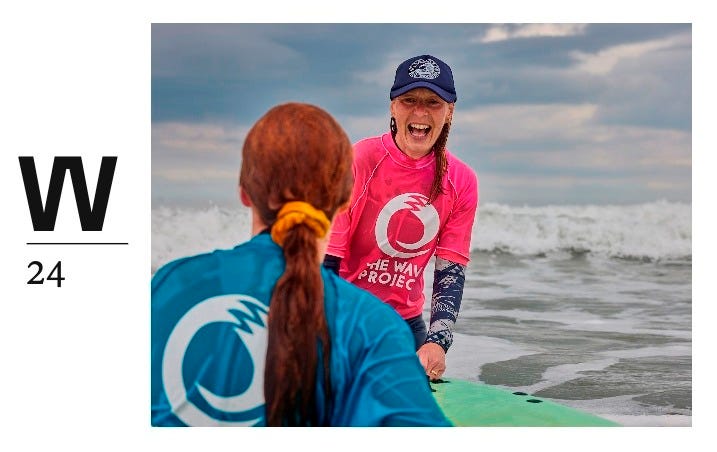
In the 10 years the Wave Project has been running, surf therapy has become an established form of therapeutic support and is recognised by the NHS as an effective form of therapy for children and young people. The young people who attend the Wave Project’s surf therapy come through referrals from other organisations including schools, NHS Scotland’s Child and Adolescent Mental Health Services (CAMHS) and social work services. Alison says there’s no strict criteria on who can be referred:
“Anybody that needs us is welcome. We have kids facing social isolation, bullying at school, kids with learning difficulties, young carers, youngsters who have been through cancer themselves or have lost a parent. Since lockdown, we have a lot of kids that found the transition back to school really difficult, and I think the pressures of social media on our young people today are huge. We see a lot of young people really struggling with anxiety.”
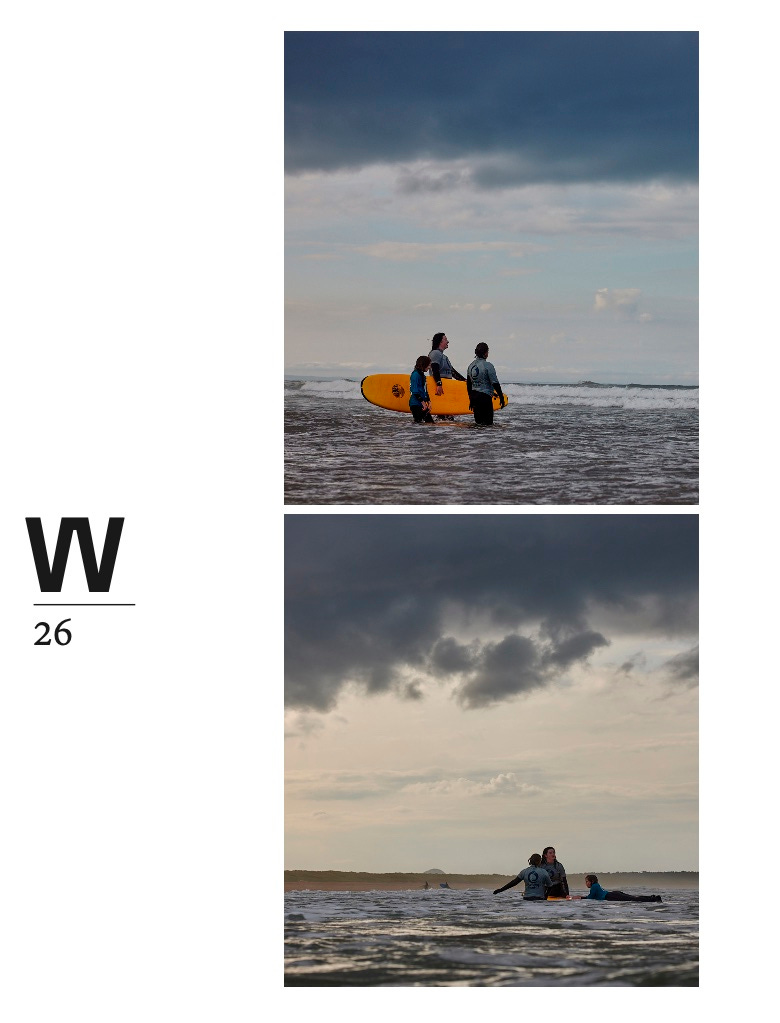
As a former neonatal nurse, Alison is keenly aware of what making an impact on a young person’s life looks like. She says she’s seen the difference surf therapy can make time and again: “When kids first come along, they can be incredibly nervous. We know we’re asking a big thing – they’re going to meet lots of new people and be asked to put a wetsuit on and get in the sea. Some of them have never even been to the beach before. The change from then to how they are six weeks later is amazing. It’s a real pleasure and a privilege to watch.
“I remember one little boy who at the first session just stood and cried in the car park the whole time. He had two little Lego men and he was just fiddling with them and didn’t want to get in the water. But over the six weeks he just blossomed and he’s now a regular member of surf club and wants to join the RNLI. ”
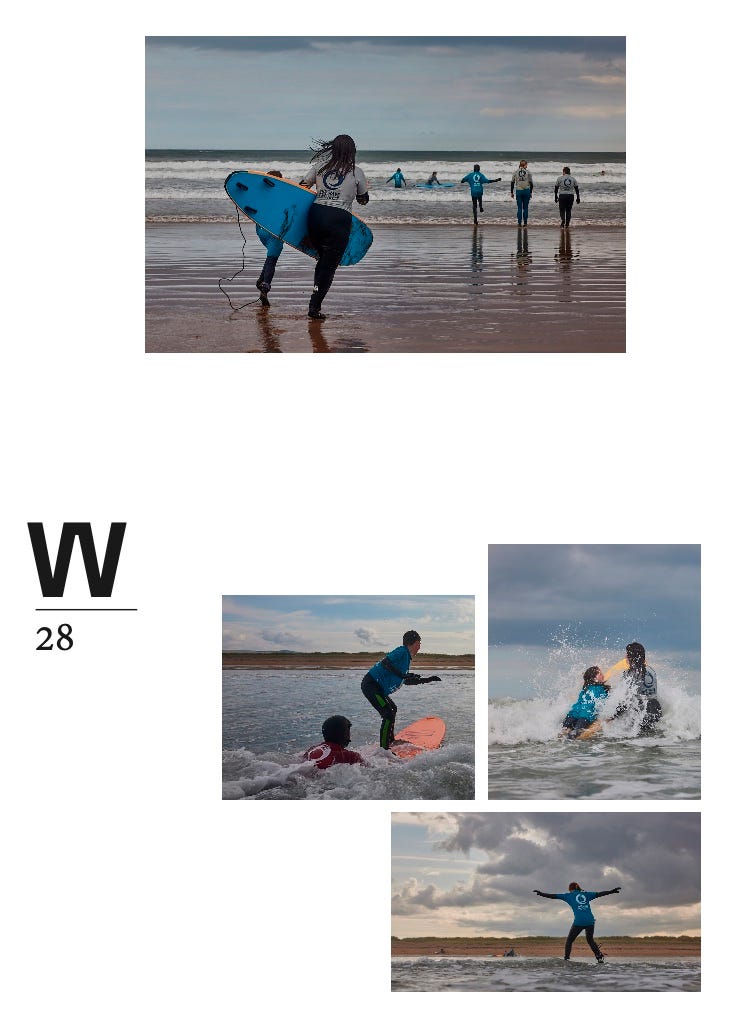
As we talk in Belhaven’s sand dunes, a surf therapy session is taking place in the water. There’s no waves to speak of, but the volunteers have created a raft of surfboards and the young people are taking turns to try to run the length of it. From the moment I arrived I’ve seen how welcoming the atmosphere is and how much the young people engage with the volunteers. Alison says that, without the volunteers, the charity wouldn’t be able to make the impact it does:
“When the young people realise the volunteers are giving up their time because they feel the young people are worth it, it makes a big difference for kids who maybe have low self esteem or anxiety. We’re very child-led and if a young person doesn’t want to go and surf that day, that’s fine; our volunteers are happy to have a chat with them. So our volunteers are trained in how to help young people catch a wave, but also given safeguarding training so they can support the young people appropriately out of the water. We’re so incredibly grateful to our volunteers. Without them, we couldn’t change the lives we’re changing.
“I would say the volunteers get as much out of the Wave Project as the young people do. I think our youngest volunteer is 15 and our oldest one is 72. Some are surfers, some are sea swimmers, some are teachers: anyone is welcome to join the Wave Project family. If you have the ability to smile and do a high five, then you’re immediately one of us.”
As well as the volunteers being crucial to Wave Project Scotland’s success, Alison says the charity’s connection to the wider Dunbar community is crucial. Local schools refer young people to the Wave Project and a number of local businesses provide support, sometimes through donating raffle prizes, having collection pots on the counter, or in more specific ways – Alison says Anderson’s butchers in North Berwick always donates great burgers for events. As well as sharing the Belhaven surf centre, Coast to Coast surf school provides surf instructors for some Wave Project sessions.
For Alison, the community that has developed around Wave Project Scotland in Belhaven is what has enabled the charity to thrive: “It’s about making connections with the ocean, with the other young people and with the volunteers. It’s such a supportive space. I mean, the kids are going to fall off – everyone falls off – but when you do it here you get a big cheer and a high five and we get them back on to try again. I can’t think of a nicer place to be – a beautiful beach and a fabulous group of people trying to make the world a little bit better.”
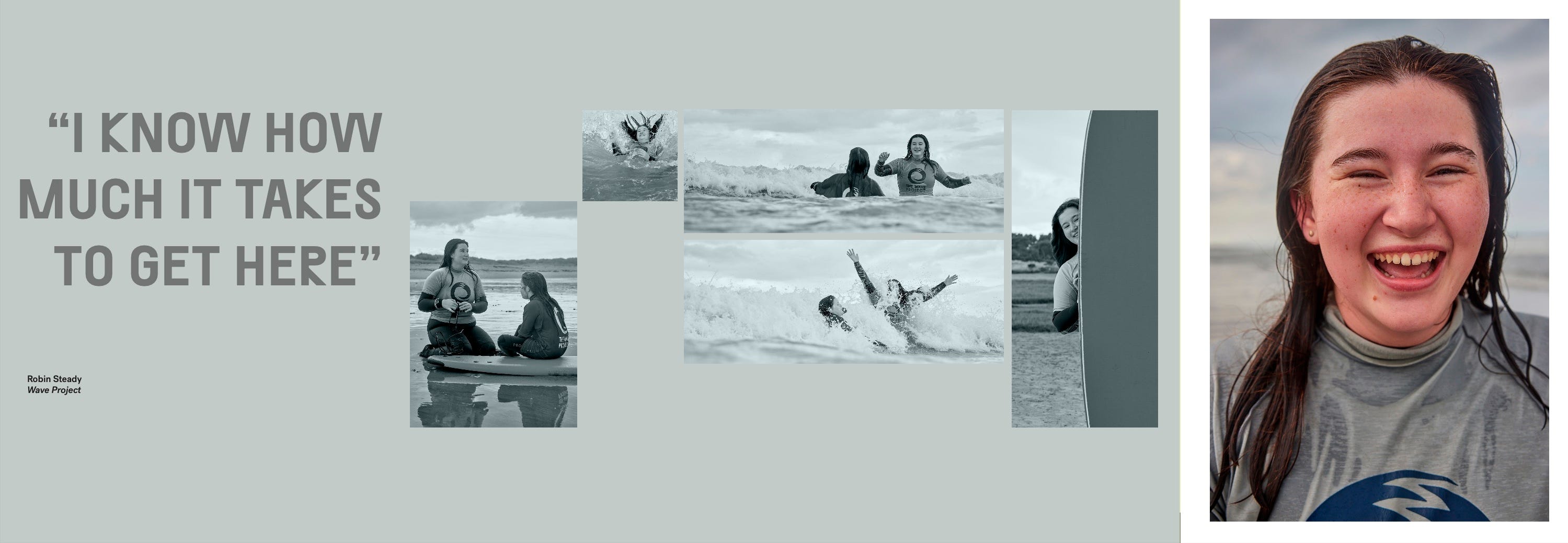
When I went to the Wave Project surf therapy session at Belhaven Bay to interview Alison Young, there was one volunteer she insisted I meet. Robyn, the volunteer, was smiley, confident and amazing with the young person she was supporting through the session. She couldn’t have been further from the way she describes herself before she first came to the Wave Project to join a surf therapy course at the age of 15:
“I wouldn’t go anywhere. I wouldn’t leave the house. Sometimes I couldn’t leave my bedroom. I was too scared to do anything. I’d be struggling for a while, since I was maybe eight. I was undiagnosed autistic and I had a lot of big feelings that I wasn’t able to deal with.”
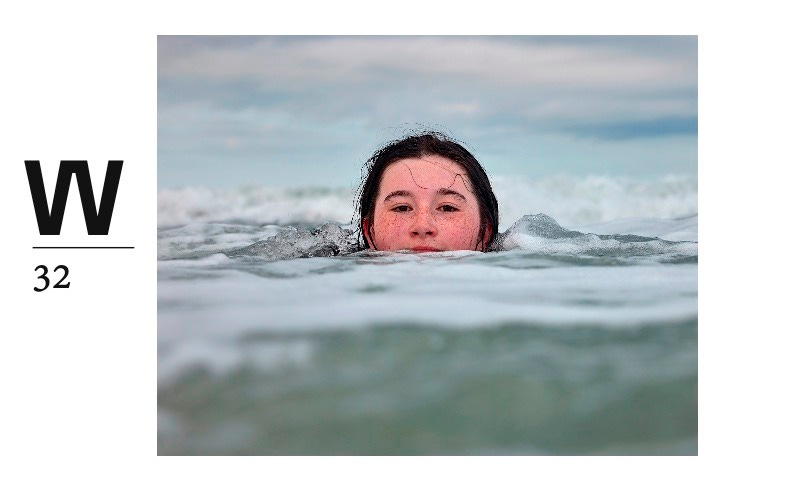
Robyn’s surf therapy started in 2020, just after the first pandemic lockdown. She says it took a huge amount of courage just to show up: “When we arrived I wouldn’t get out of the car. During the session I went completely mute, I didn’t talk at all. I held Alison’s hand the whole way through. I’d spent so long not really feeling like I fit in anywhere and I thought Wave Project was just going to be the same.”
By the end of the course, Robyn found she was able to begin to open up and feel confident in the group: “I was still really anxious until maybe the fifth week, but I started to ease into it. Then I remember crying home on the sixth week when the course had finished, because it was finally a place I could just be myself. I didn’t have to pretend to be anything else. I didn’t have to act a certain way and I didn’t have to hide. I could just be me.”
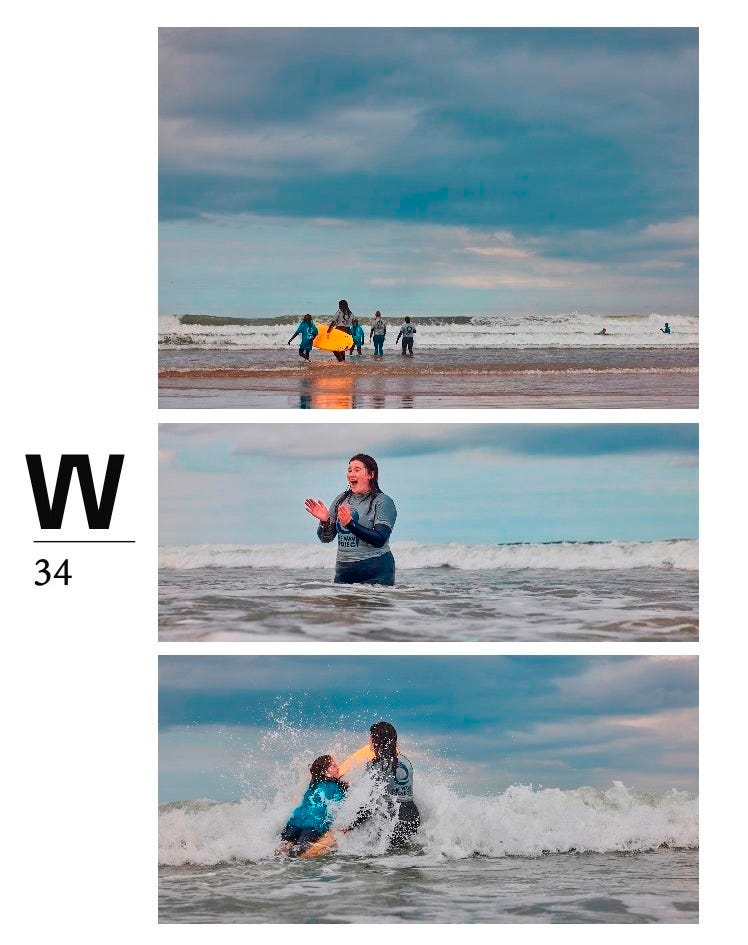
Robyn says the surf therapy helped her cope with everyday situations she’d previously found challenging: “A couple of weeks after Wave Project I went into the supermarket. That sounds like a tiny thing, but before I wouldn’t go anywhere. I didn’t feel great, but I did it. I still don’t enjoy it, I’m still scared to go, but now I have the knowledge and understanding that I can do it. If you can get up on a surfboard, you cando pretty much anything.”
For Robyn’s mum Sara, who is now also a Wave Project volunteer, the impact of the course can’t be overstated: “It was absolutely life changing. I don’t know where Robyn would be now without it.”
Following her surf therapy and another Covid lockdown, Robyn joined the Wave Project’s surf club. Now 18, she’s been a Wave Project volunteer since 2021. Other than volunteering with the Wave Project, Robyn’s great passion is photography. She’s had her work exhibited and sells her photos to raise money for the Wave Project. Some of these photographs are featured in this publication, as double page spreads introdcing each section of the walk from Dunbar to Eyemouth.
Alison says Robyn’s experience makes her an invaluable volunteer: “Robyn has a huge understanding and huge empathy for the young people, because she sees herself in them. She gets it and the kids feel immediately at ease with her. We’re just so glad that she made that first step to get out the car at her first session, because now she’s made such a huge impact on so many other lives.”
Robyn’s insights into the experiences of the young people coming to surf therapy courses also reveal why the Wave Project makes the impact it does: “For the kids it’s a big thing just to come here. Then they’re putting on a wetsuit for the first time, getting out into the cold water, meeting new people. All these little things that other people wouldn’t necessarily worry about eventually build up into this massive boost of confidence after they’ve gone through the entire thing.
“I just know how much it takes to get here, and the young people deserve respect for doing it, because they’re here because they want to improve and get to where they want to be.”
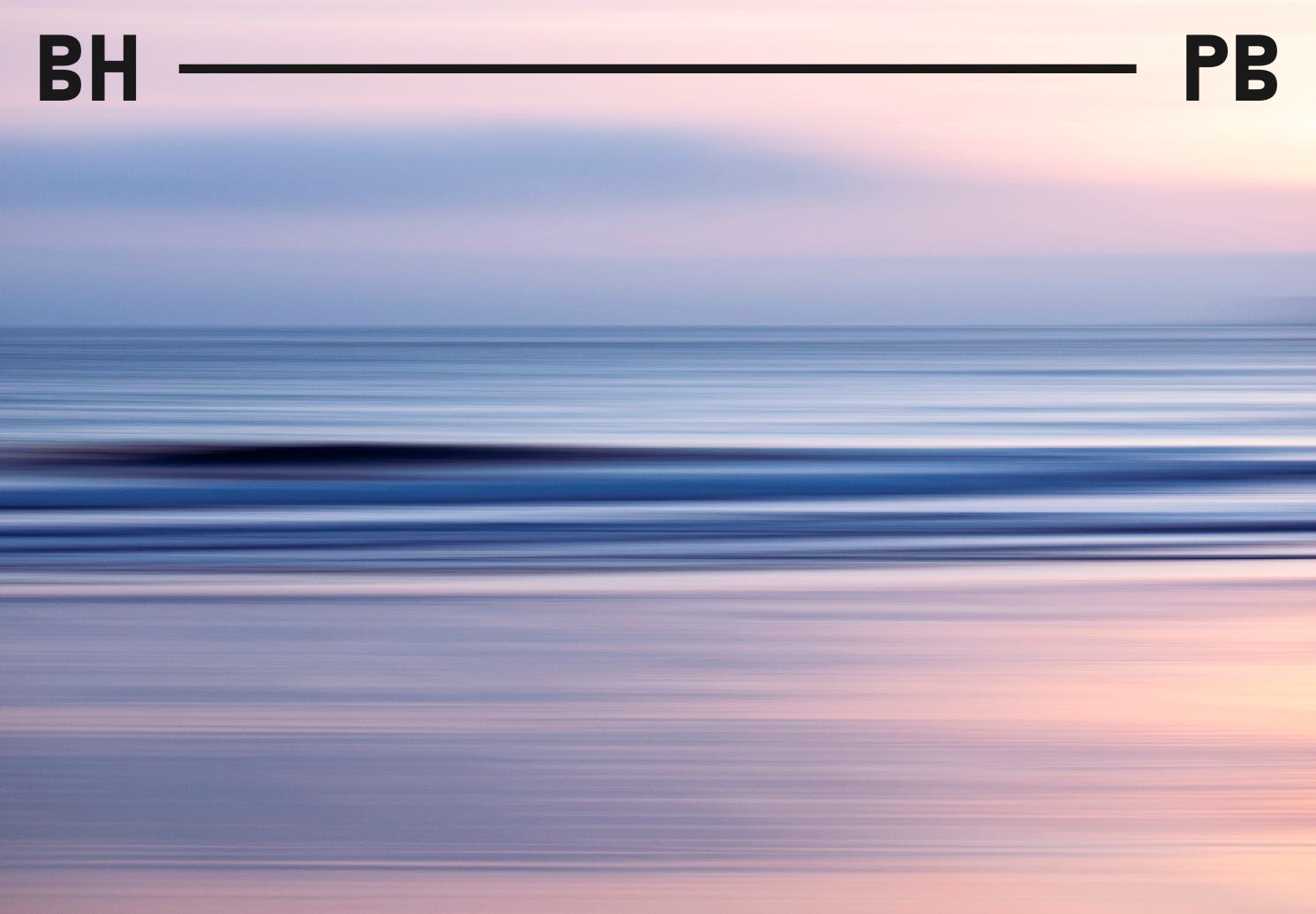
Photo: Robyn Steady


